
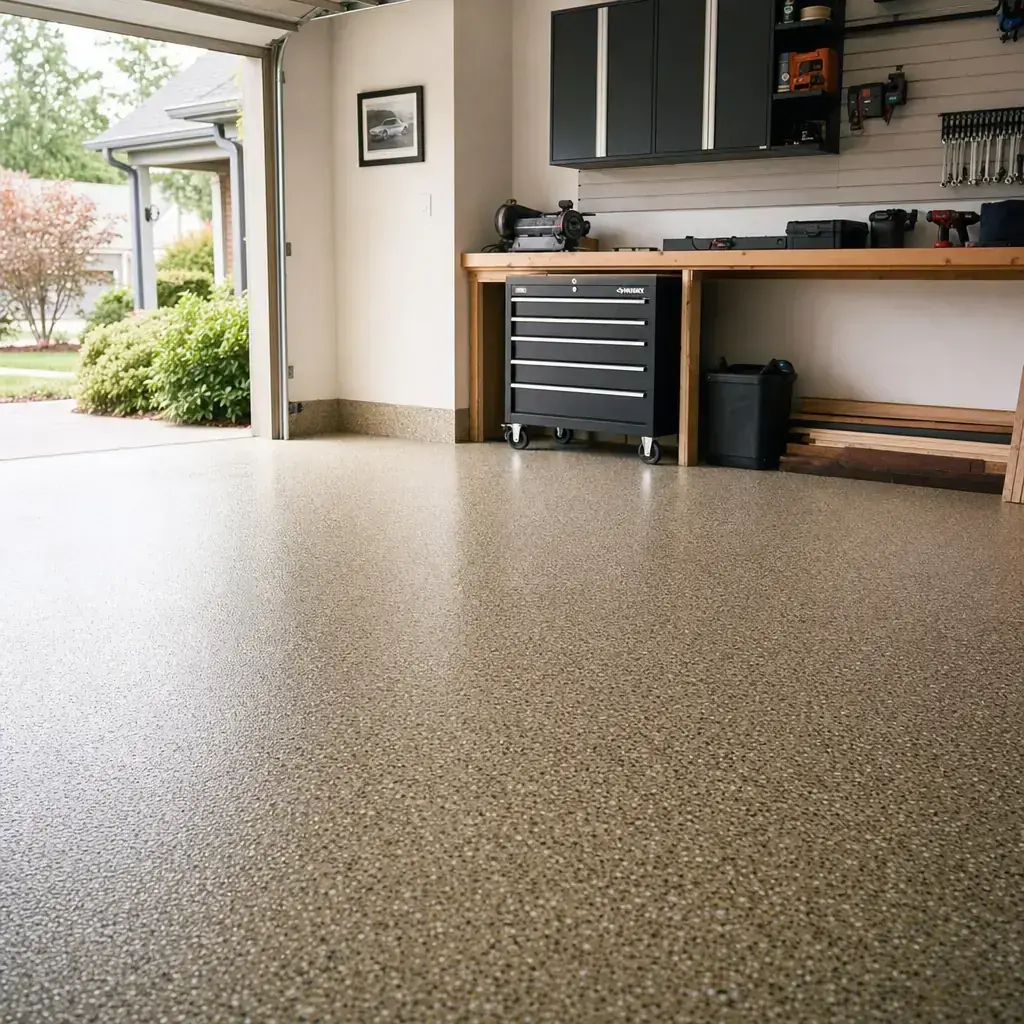
Garage Floor Epoxy
Full flake broadcast or solid color over a diamond-ground slab. Hot-tire resistant once cured, and drivable by the third day.
Read more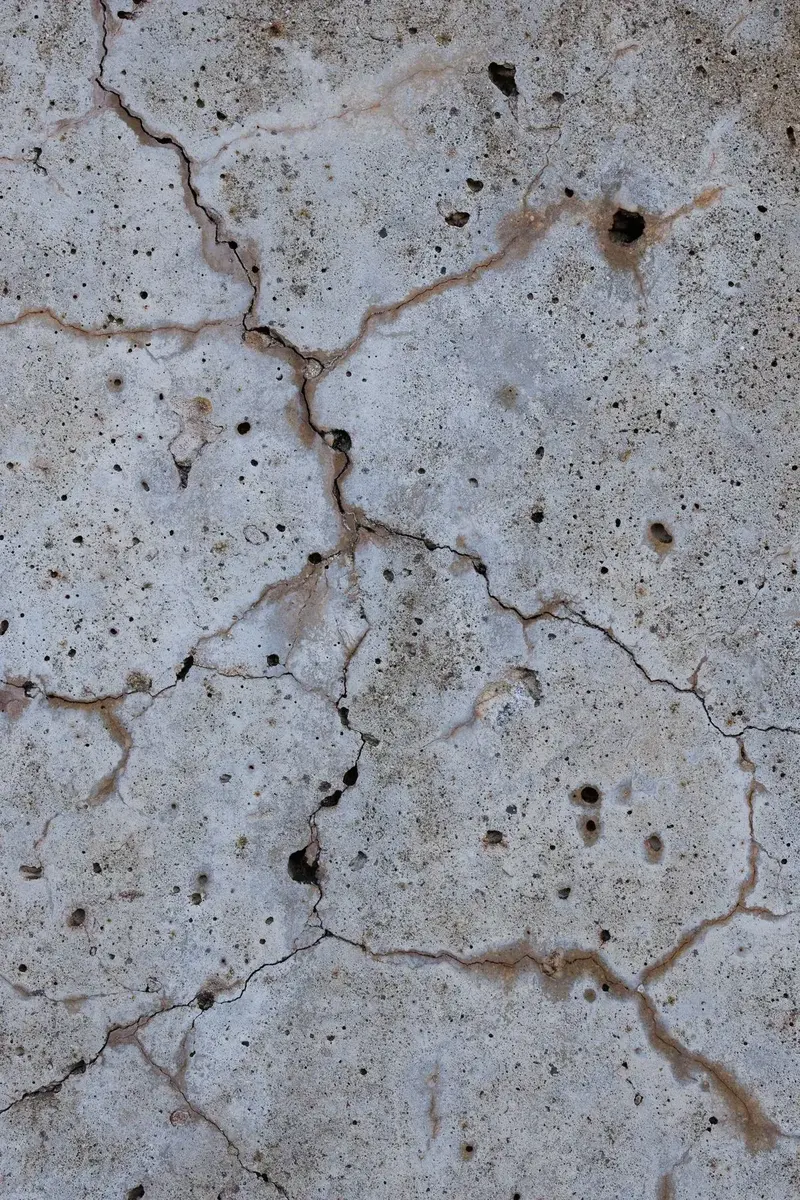
Cracks, spalling and lipped joints left behind by clay movement, across Atascocita and Harris County. We deal with why the slab moved before we make it look right again.
Each of these points at a different cause, and a different repair.
One side sits higher. The ground moved, so filling it flat just hides a joint that is still working.
Spalling. The surface paste has let go, usually from water and freeze cycles or a poor finish. It has to come off.
Crazing. Shallow and cosmetic in most cases, but it tells you the slab dried too fast when it was poured.
The ground under it has moved or washed out. Resurfacing over that alone will not hold. The void gets addressed first.
Moisture tracking up through the slab. We test before quoting, because it changes what can safely go on top.
Seasonal clay movement. That joint is doing its job, and the repair has to let it keep doing it.
Cracks get read, not just measured. A shrinkage crack and a movement crack look similar and need completely different work.
Cracks opened out to a clean edge and filled with a semi-rigid material. Spalled areas ground back to sound concrete.
Control joints get honored through whatever goes on top, so movement has somewhere to go instead of tearing a new crack.
An overlay or coating brought across the repairs so the patch stops reading as a patch. Foot traffic is usually next day.
Four soil series sit under Atascocita and they do not behave alike. Vamont and Atasco are the high shrink-swell pair, at 12.8 and 10.0 percent maximum linear extensibility. Texla and Aris are moderate, 5.1 and 4.9. So two houses on the same street can sit on ground that moves at twice the rate, which is why one slab opens at the joint every August and the other never has. That changes the repair itself, not just how long it takes. On the high-shrink lots we treat the joint as permanent movement and detail it to keep moving. On the moderate ones a routed fill and an overlay usually holds.
Because the crack was filled and the cause was not. Smear filler across a working control joint and the slab simply cracks somewhere else, usually within a year, usually somewhere worse. Reading the crack first is the whole job.
A movement crack and a shrinkage crack look alike and need different work. We tell them apart first.
Filler needs a clean opened edge to key into. Smeared across the top it lifts within months.
Movement needs somewhere to go. Fill it solid and the slab makes its own joint nearby.
Dust to a vacuum, wash water contained. Nothing reaches a storm drain.
Resurfacing fixes the surface. It cannot fix a slab that has lost its support underneath, and no overlay is thick enough to bridge that.
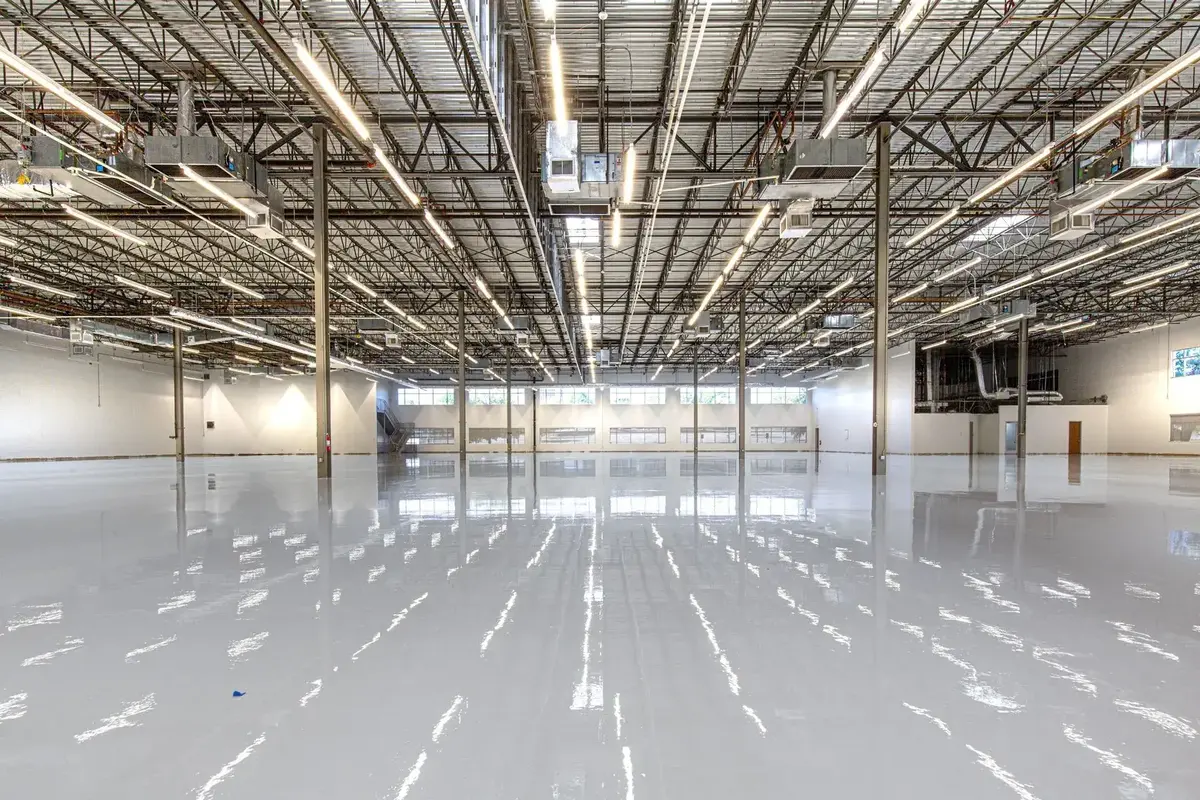
Same crew, same prep standard, whatever the finish.
Full flake broadcast or solid color over a diamond-ground slab. Hot-tire resistant once cured, and drivable by the third day.
Read more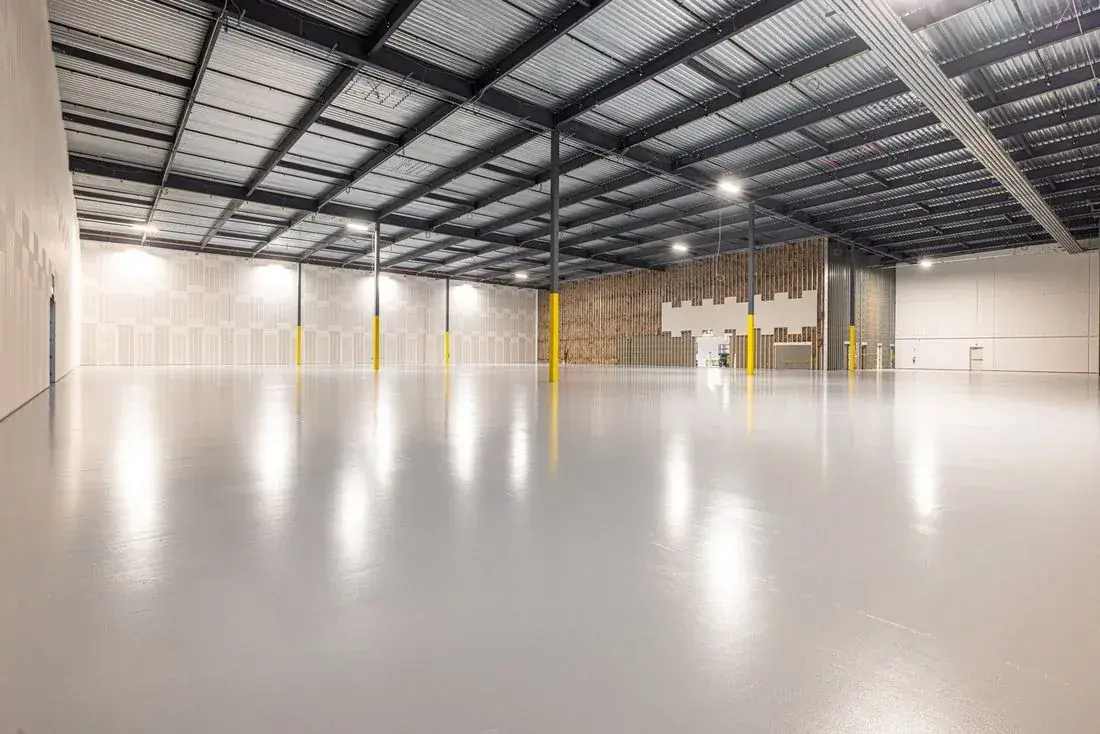
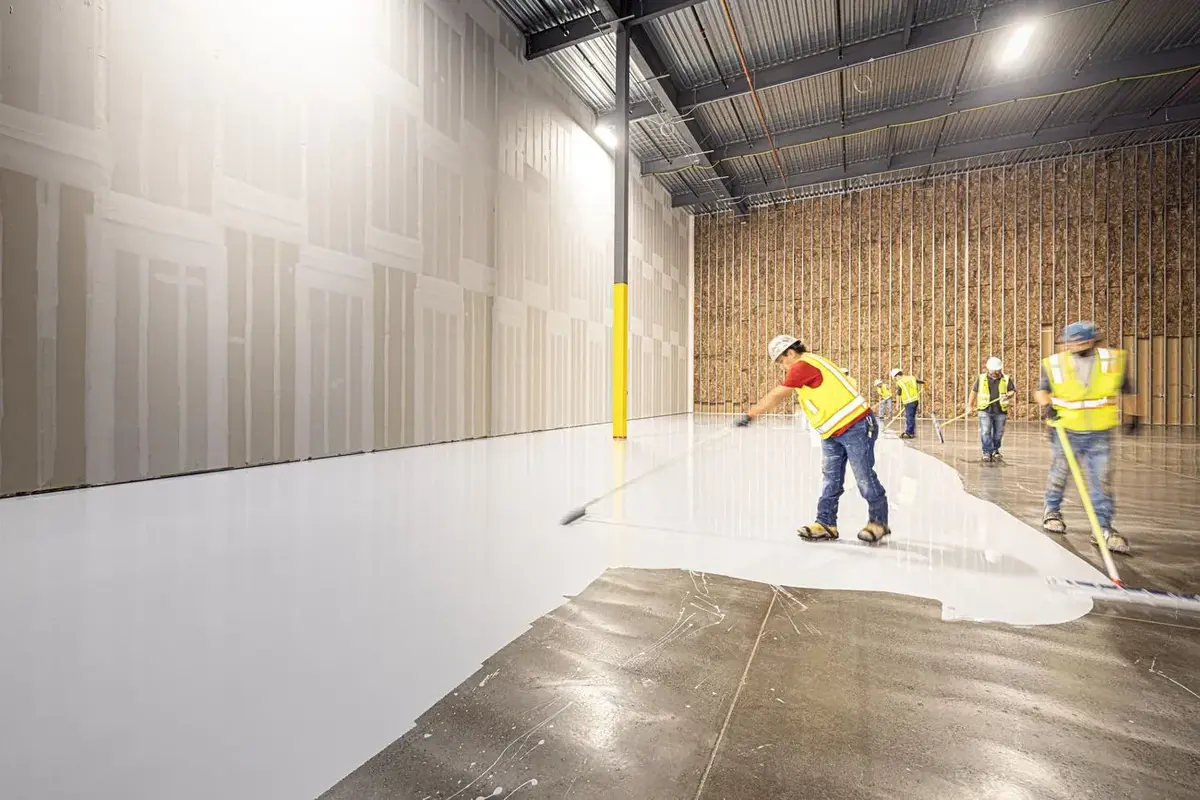
Warehouse, shop, and back-of-house slabs. Thicker build, chemical resistance where needed, joint detailing that survives forklifts.
Read more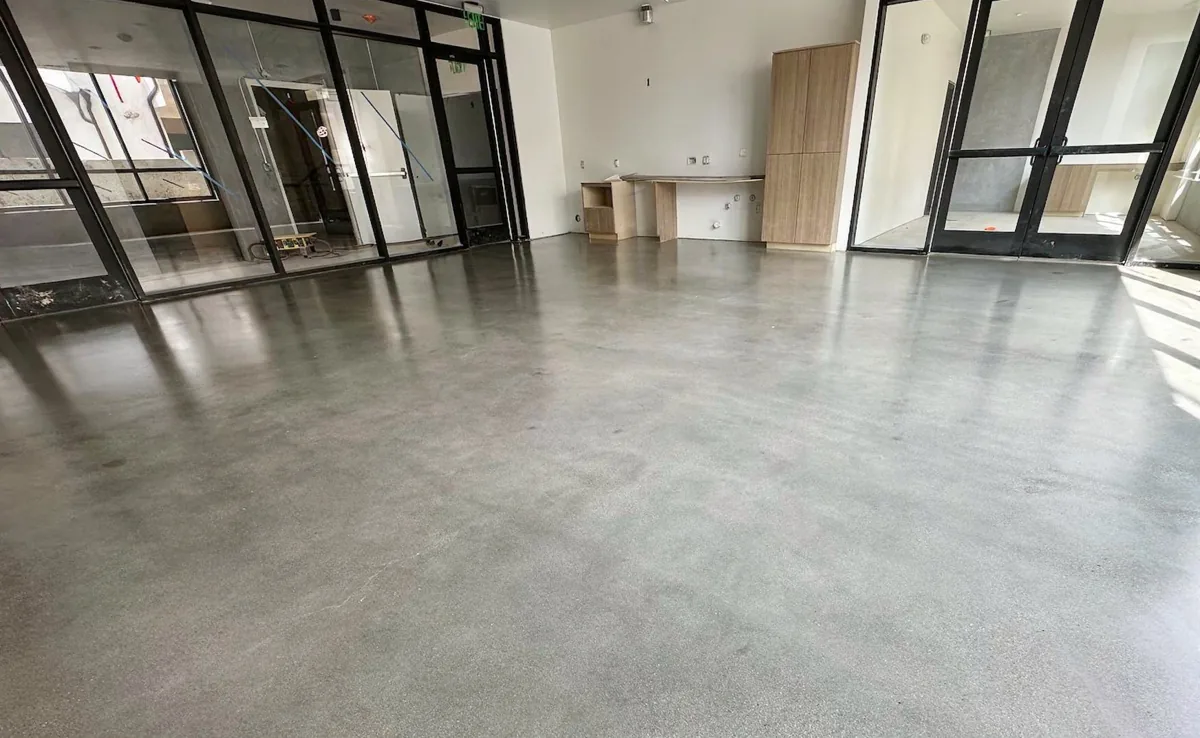
Refinement of the slab itself, not a coating. Grit by grit to the gloss you want. Nothing on top to peel.
Read moreCracks, spalling, and lipped joints left by slab movement. We route and fill, then resurface so the patch disappears.
Read more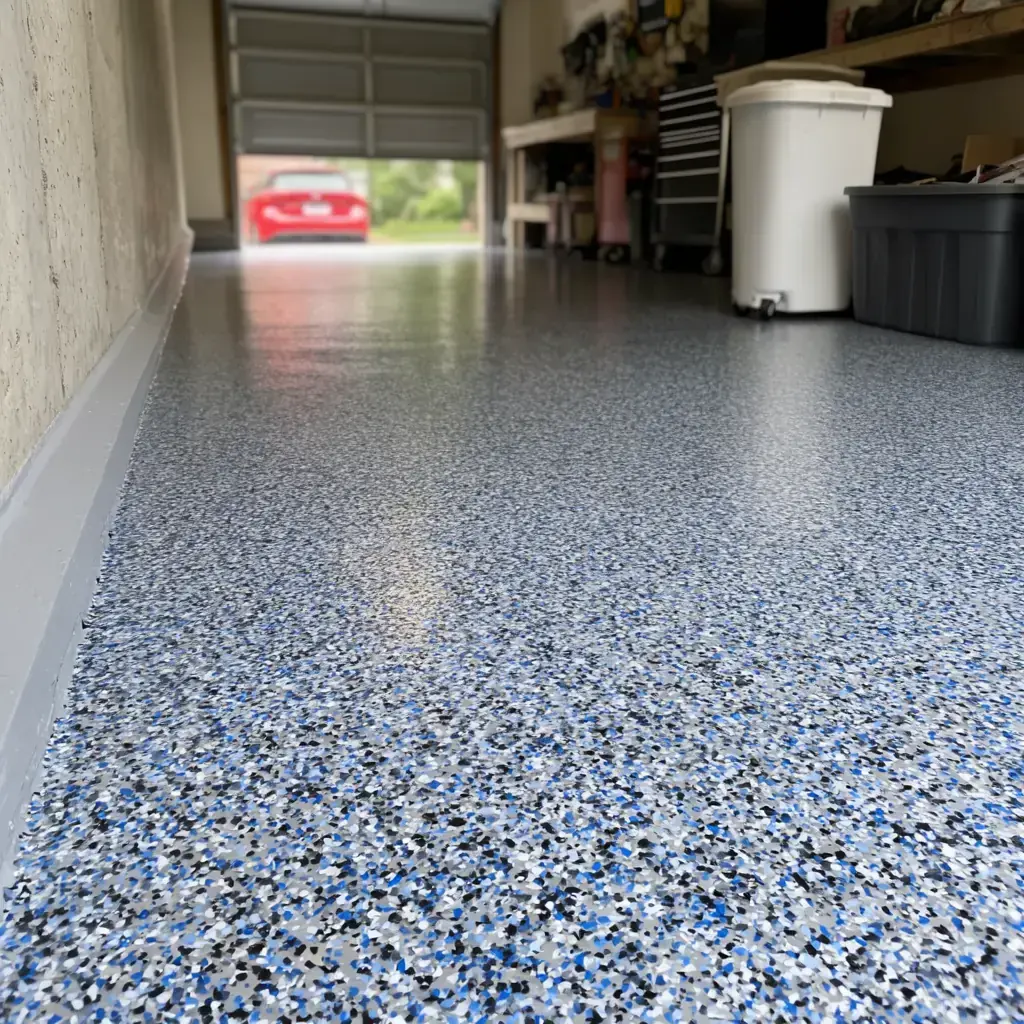
Cures fast and holds color in sun, so it suits patios and driveways as well as garages. Often back same day.
Read more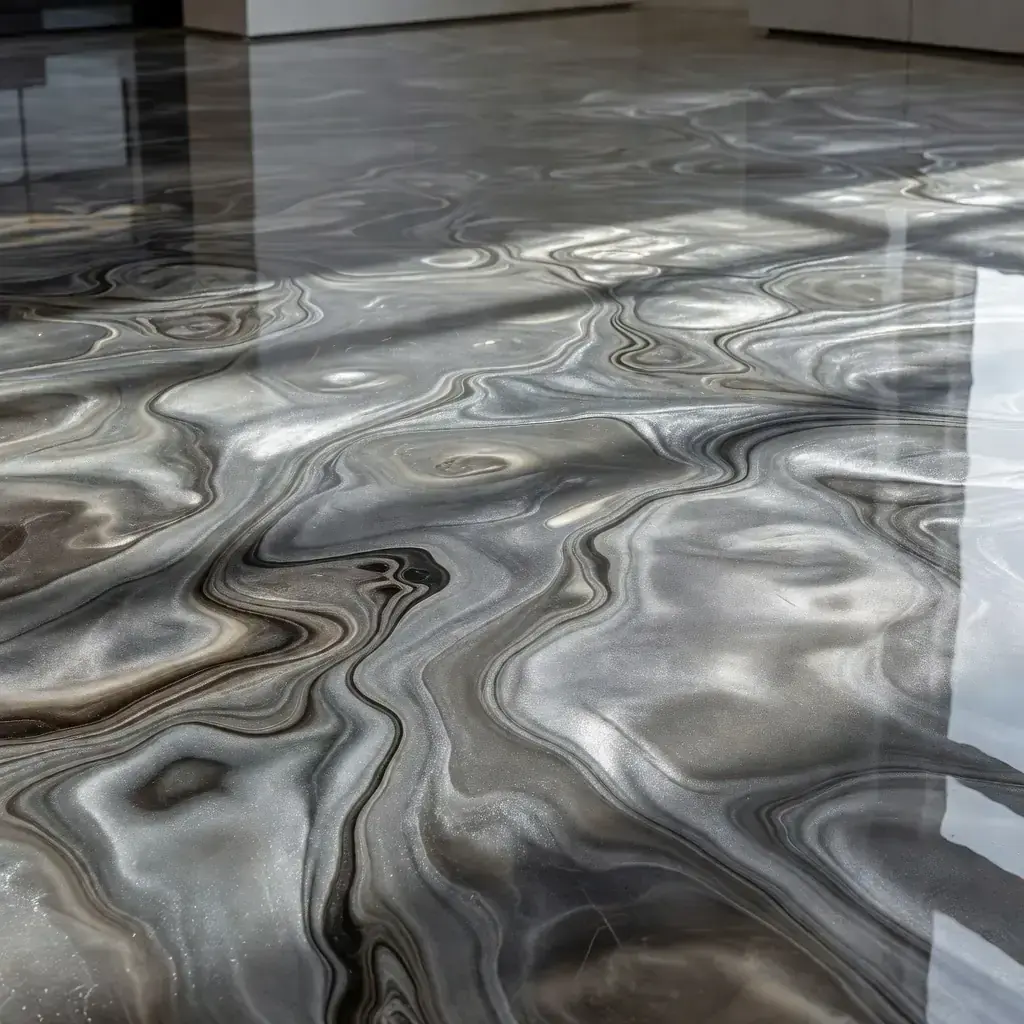
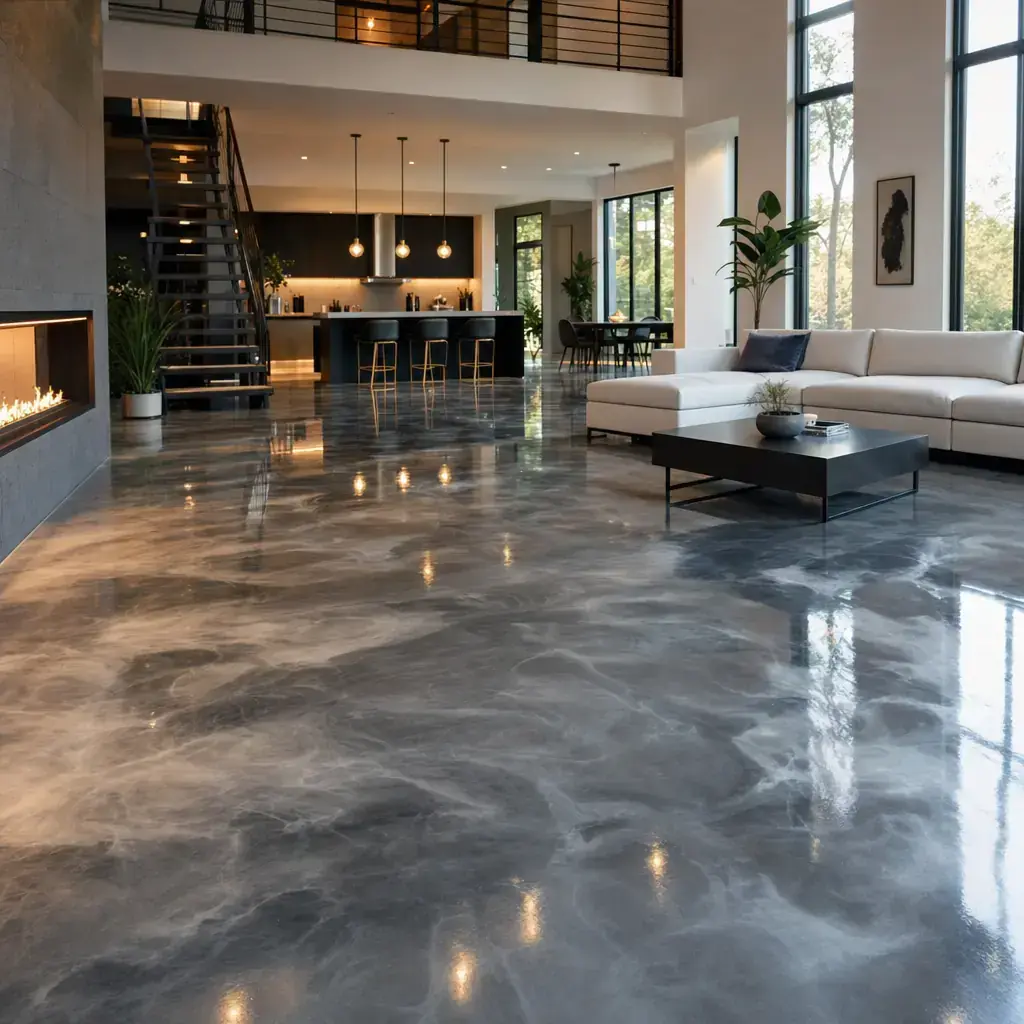
Hand-poured pigment moving under a clear topcoat, so no two floors match. Best in entries and showrooms.
Read moreAtascocita, Humble, Kingwood, Crosby, Huffman, and out to the Sheldon and Channelview side of Harris County. Just outside? Call and ask.